
The Right Way to Layer Righteous Pieces for Colder Weather
You don’t have to sacrifice style just because the temperature drops, and that definitely doesn’t mean digging out the same shapeless coat you’ve relied on for five winters. Layering is a skill, and once you grasp how the weight of the fabric, cut, and fit interact, you can build outfits that look intentional rather than accidental. This guide covers real-world approaches to layering using Righteous clothing, with attention to what genuinely provides warmth versus what only appears warm. If you’ve been searching for a thorough review of Righteous before investing in a layered closet, think of this as a practical rundown of how the pieces perform in actual weather, not just in the store display.
Effective layering hinges on managing your body heat, not just adding more layers of cloth. Three thinner layers almost always outperform a single heavy layer because they trap pockets of air that your body heat raises the temperature of. This is simple physics, and it’s why mountaineers and city commuters alike rely on the identical three-layer approach: a base layer, a mid layer, and an outer layer. We Are Righteous crafts pieces that fit neatly into each of these categories, which makes it easier to combine and coordinate without guessing what goes with what.
Begin With Your Base Layer
The base layer lies next to your skin and serves one function: controlling moisture. If this layer holds moisture in instead of moving it away from your body, the rest of your layers lose their effectiveness, and you’ll feel damp and chilled within about an hour outdoors. A well-fitted tee or long-sleeve from the Righteous clothing range works well here because a close-but-not-tight fit minimizes the air gap between skin and fabric, which quickens heat retention.
Cotton offers comfort, but it stays wet once it’s wet, so if you’re preparing for genuinely cold conditions rather than light autumn weather, be mindful of fabric heft and how the fabric is described on the product page. A heavier jersey knit will trap more heat than a thin tee, even if both are the same silhouette. This is where reading specifics matters more than righteous drops trusting a photo.
How something fits also influences how the next layer rests over it. A base layer that’s too baggy will gather awkwardly under a mid layer, creating awkward pressure spots and patchy heat retention. Look for something fitted close through the torso and arms, with space enough to move freely without restriction. Six or seven degrees of temperature difference can entirely alter which base layer weight makes sense, so don’t presume one tee works for every chilly situation between September and January.
Add a Mid Layer for Insulation
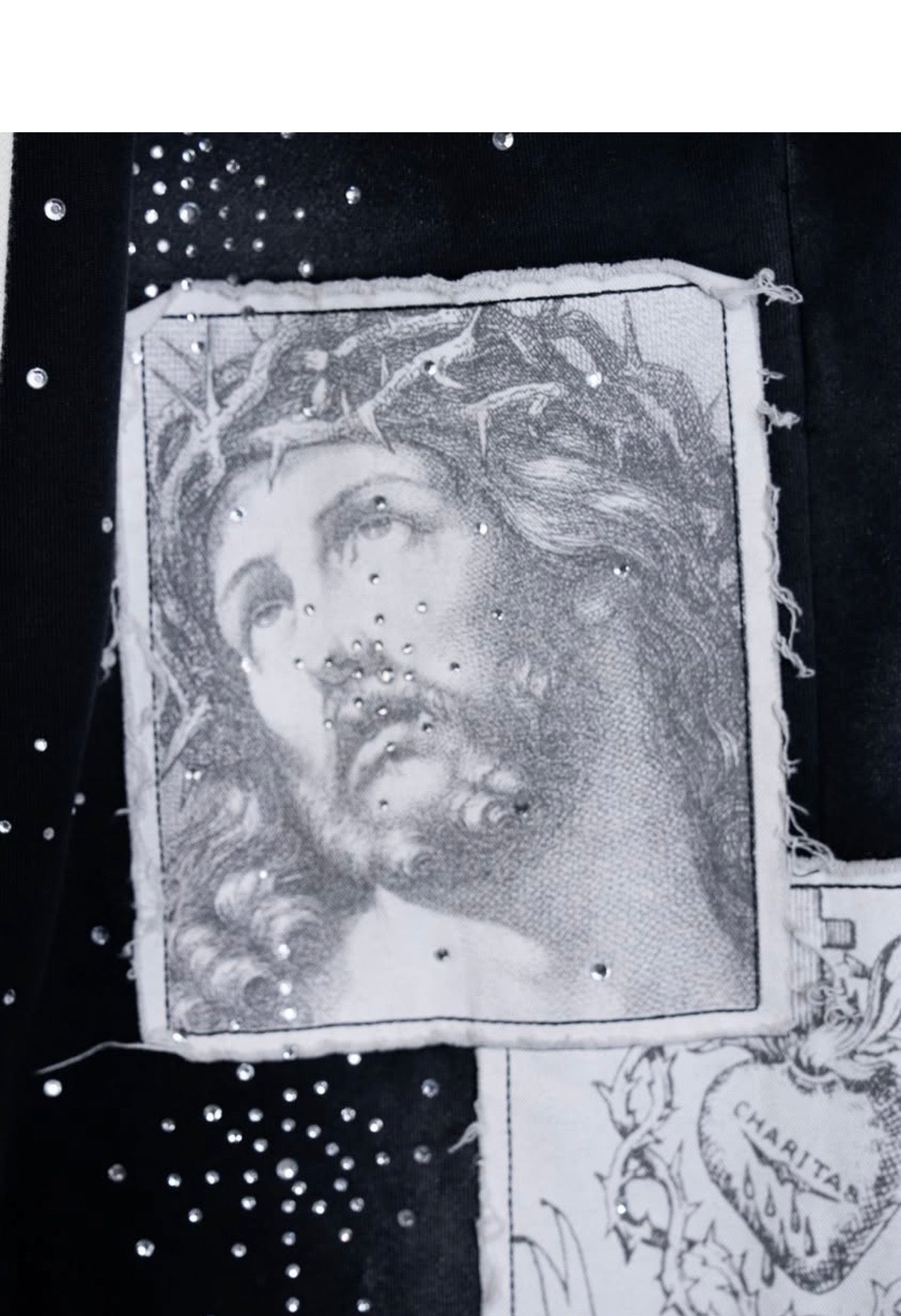
Our noble hoodie earns its place in the rotation, and this is exactly where that happens. This garment acts as the warmth-trapping layer, capturing warm air tight against the body while still providing enough ventilation that you don’t get too warm the moment you walk indoors. That hood brings a practical bonus: covering the head and neck cuts down warmth loss considerably, since a disproportionate amount of warmth slips away through areas left uncovered.
When choosing a hoodie for layering needs, how it fits counts just as much as it does for the base layer, but in the reverse direction. You want enough room to without strain layer a tee underneath without feeling restricted, but not so much extra fabric that it becomes bulky under a jacket. A softly eased cut through the shoulders and body, with fitted cuffs, tends to work best for layering because it seals in heat at the wrists without creating bulk elsewhere.
Because you can adjust airflow without fully removing the layer, zip-up styles offer finer thermal control than pullover styles — handy for shifting seasons when mornings start cold and afternoons warm considerably. Pullover styles, on the other hand, tend to offer marginally superior insulation since there’s no zipper seam allowing drafts. Neither option truly wins out; it depends on whether you’re gearing up for a fixed daily commute or a day with variable temperatures.
Plenty of people digging through Righteous review threads tend to wonder about hoodie warmth-to-weight ratio, and the straightforward answer is that it comes down to what you’re wearing underneath and over it. A hoodie is a mid layer, not a standalone answer to cold weather, and treating it as one is the most frequent layering mistake people make once temperatures drop below the point where a lone sweatshirt is adequate.
Top It Off With an Outer Layer
The outer layer’s job is to stop moisture and wind while letting the layers underneath do the work of insulating. This is where many people spend too much or plan too little, buying a bulky coat that’s overkill for 50-degree weather or a lightweight jacket that does little once the wind starts blowing. Pairing your outer layer to conditions on the ground, rather than the coldest day of the year, preserves your layering system adaptable.
For most chilly days, a medium-weight jacket layered over a Righteous hoodie and base tee accommodates a wide range of temperatures without needing a change of clothes every time the forecast moves by a few degrees. The key is choosing an outer layer roomy enough to fit the hoodie beneath it without flattening it, since compressed insulation works less well. Squeezing squeezes out the air pockets that were doing the actual work of maintaining your warmth.
Give consideration to length as well as width. A jacket that hits right at the hip pairs well with a longer hoodie underneath, since the extra coverage prevents cold air from sneaking in at the waistline. Small as it sounds, this detail carries real weight—just ask someone who’s felt that cold draft sneaking across their waist on a blustery afternoon.
Layer Roles Compared
Breaking down each layer’s function side by side makes it easier to shop with intention instead of guessing. The table below lays out what each layer is tasked with and what to focus on when choosing items from a Righteous apparel collection or building out a layering system generally.
| Layer | Main Function | Fit Focus | Representative Piece |
|---|---|---|---|
| Base Layer | Handling moisture while providing initial insulation | Form-fitting and skin-hugging | Righteous long-sleeve or short-sleeve tee |
| Mid Layer | Trapping warmth and holding in heat | Relaxed body, fitted cuffs | Righteous hoodie |
| Outer Layer | Shielding against wind and wetness | Roomy enough for mid layer | Medium-weight jacket |
Notice that each layer has a distinct job, and none of them can fully substitute for another. Going directly from bare skin to a hoodie—skipping the base layer—means losing the moisture-wicking benefit that keeps things comfortable while you’re active. Since moving air pulls warmth off far faster than still air, skipping the outer layer on a gusty day undermines much of the warmth built up underneath.
Workable Combinations for Actual Conditions
Specific pairings help more than general advice, so here’s how layering typically breaks down across a cool-weather range using the Righteous clothing brand lineup as the framework. These aren’t rigid rules, but they’re a reasonable starting point based on how each layer type performs.
- 55-65°F: One Righteous tee is usually enough for daytime wear, with a hoodie ready to go for nighttime cool-downs.
- 45-55°F: Combining a base tee with a hoodie handles most conditions, skipping an outer shell, especially on low-wind days.
- 35-45°F: Full three-layer system becomes necessary, particularly if you’re outdoors for more than 30 minutes at a stretch.
- Below 35°F: Since the hoodie mid layer on its own won’t retain enough heat, look into a heavier base layer weight combined with an insulated outer layer.
Depending on wind, moisture, and individual cold tolerance, the numbers above will shift—view them as a guideline, not a strict formula. A person who runs cold might bump every threshold up by five to ten degrees, and this is a sensible adjustment to consider based on personal experience rather than guesswork.
Typical Layering Pitfalls to Steer Clear Of
Even when you own the proper pieces, sloppy layering practices can compromise the whole arrangement. The most common mistake is making all layers the same size, which generates bulk instead of efficient warmth retention. Rather than keeping every layer the same, each layer should grow incrementally roomier moving outward.
Many also tend to overlook their extremities while building a system. Since wrists, neck, and ankles shed warmth fast, a hoodie featuring a proper hood and snug cuffs earns its keep more than people realize. Focusing solely on torso coverage, while ignoring these details, opens holes in an otherwise well-built system.
Don’t assess a layering system based only on its appearance in a photo or on a store shelf. Fabric weight, weave density, and cut all affect actual performance in ways that don’t always show up until you’re actually out in the wind. Chasing trends matters less than understanding your habits, checking real specs, and reading a thorough we are righteous brand breakdown, which is part of why it matters more. Build the system in order, base to mid to outer, and adjust each piece based on the conditions you’re actually dressing for rather than the conditions you wish you had.